Trapp Family Lodge
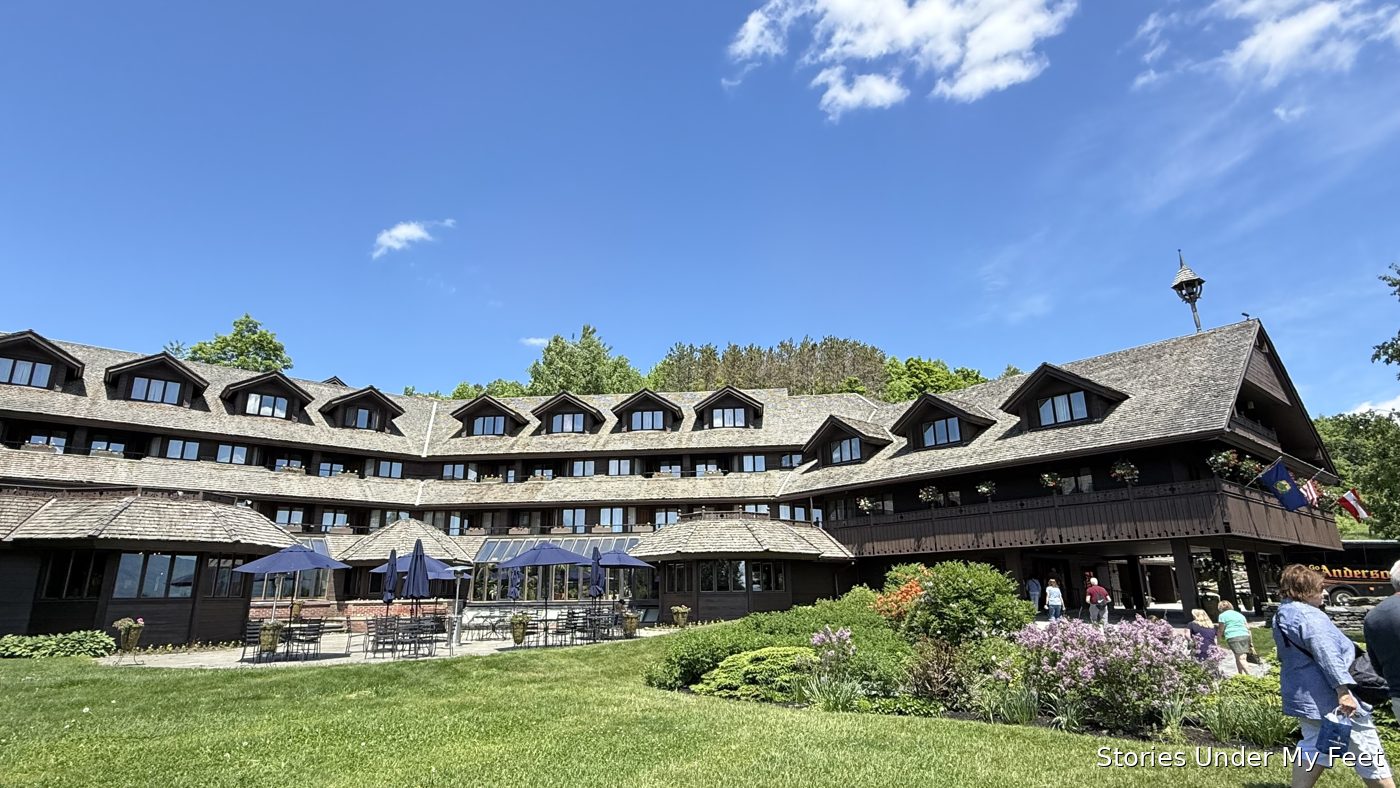
The Sound of Music was one of my favorite movies when I was little — I could sing along to every song long before I really understood where the story came from. So when I found out that the real von Trapp family, the one the movie is based on, resettled in the United States and still runs a lodge here in Stowe, Vermont, I knew I had to come see it for myself — the real version of the family I grew up watching on screen.
By pure coincidence, the film was listed in the in-flight movies on my flight out, so I got to rewatch the whole thing and refresh my memory on the way here. What surprised me most was that I remembered every song in English — I'd always assumed I must have watched it dubbed in Japanese as a kid. It was also much longer than I recalled (old movies really take their time — or maybe today's are just trimmed short to save on production and still sold at the same price?), and there were whole stretches I'd completely forgotten.
Joining the Trapp family history tour
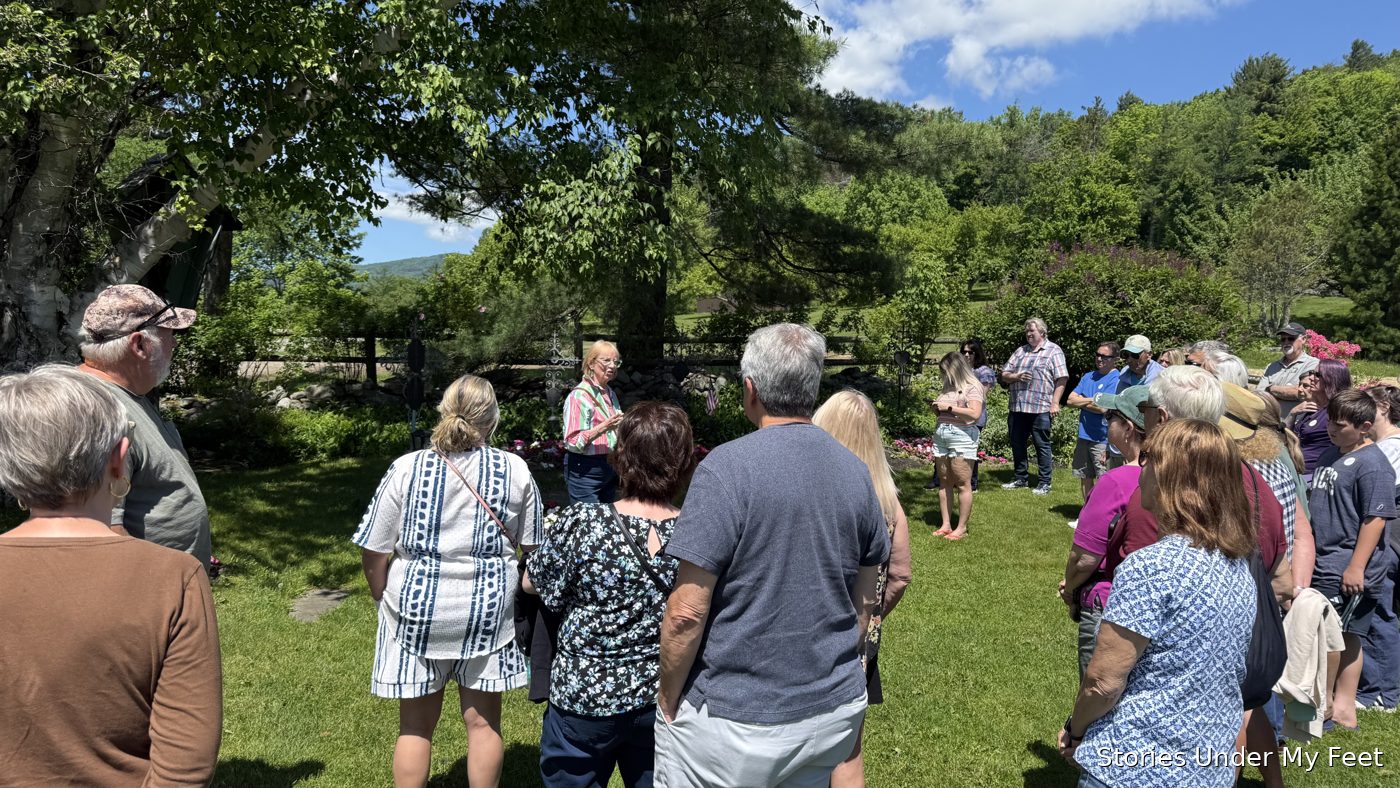
I got to join the von Trapp family history tour, led by one of the actual granddaughters — and it made the whole experience feel completely different from the Hollywood version I grew up with.
She spoke honestly about what it was like growing up as a "von Trapp," without television, constantly being asked, "Are you those Trapps? Is the movie real?" That question followed her everywhere, and for a while it gave her a kind of social anxiety — being tied to a story that wasn't quite hers. Eventually she made peace with it, but you could tell it shaped a lot of her early life.
She also corrected a lot of what The Sound of Music got wrong. In real life, Maria didn't arrive to care for all seven children — she came in 1926 as a tutor for one daughter in particular, who was recovering from scarlet fever and also happened to be named Maria. Because there were two Marias in the household, the musical simply renamed the children to avoid confusion, which is part of why almost nothing in the film lines up with the real family tree. She also said the real Maria was a far stricter, more formidable woman than the warm, easygoing governess Julie Andrews played — Maria married Georg von Trapp in 1927, not out of romantic love at first, but because of her attachment to the children.
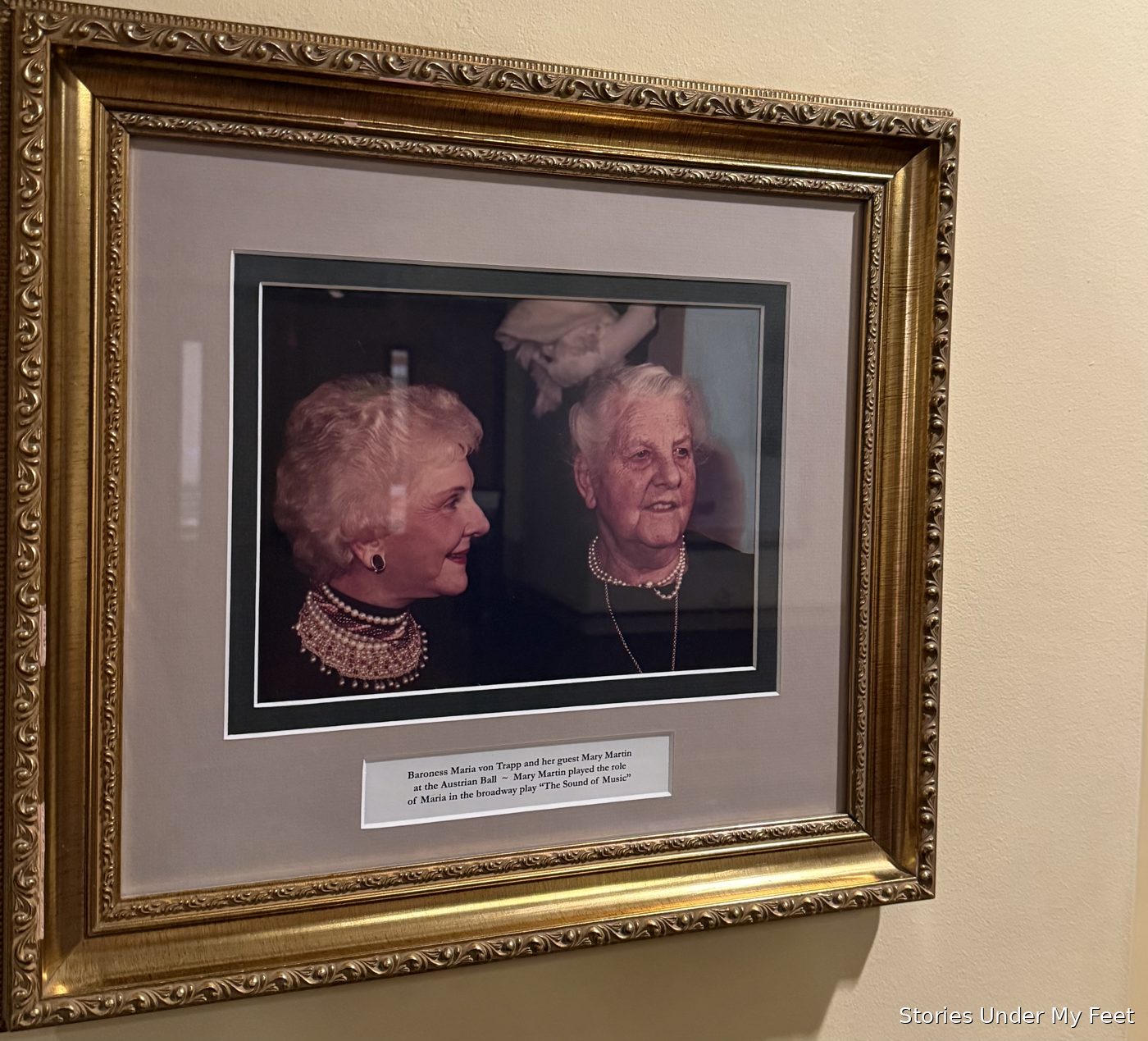
There were portraits hanging on the walls throughout the lodge, and I got to see a real photo of Maria herself.
In the portrait she has a stern, serious face — exactly as strict as the granddaughter described. But then we watched a documentary clip of her, and her speaking voice was warm, charming, and even funny. It was lovely watching her talk about a trip back to Austria — I want to say she stayed near a cathedral in Salzburg — walking the old streets and mountains again, clearly nostalgic. That video did more than anything else to bridge the gap between the Hollywood myth and the real woman buried here in Stowe.
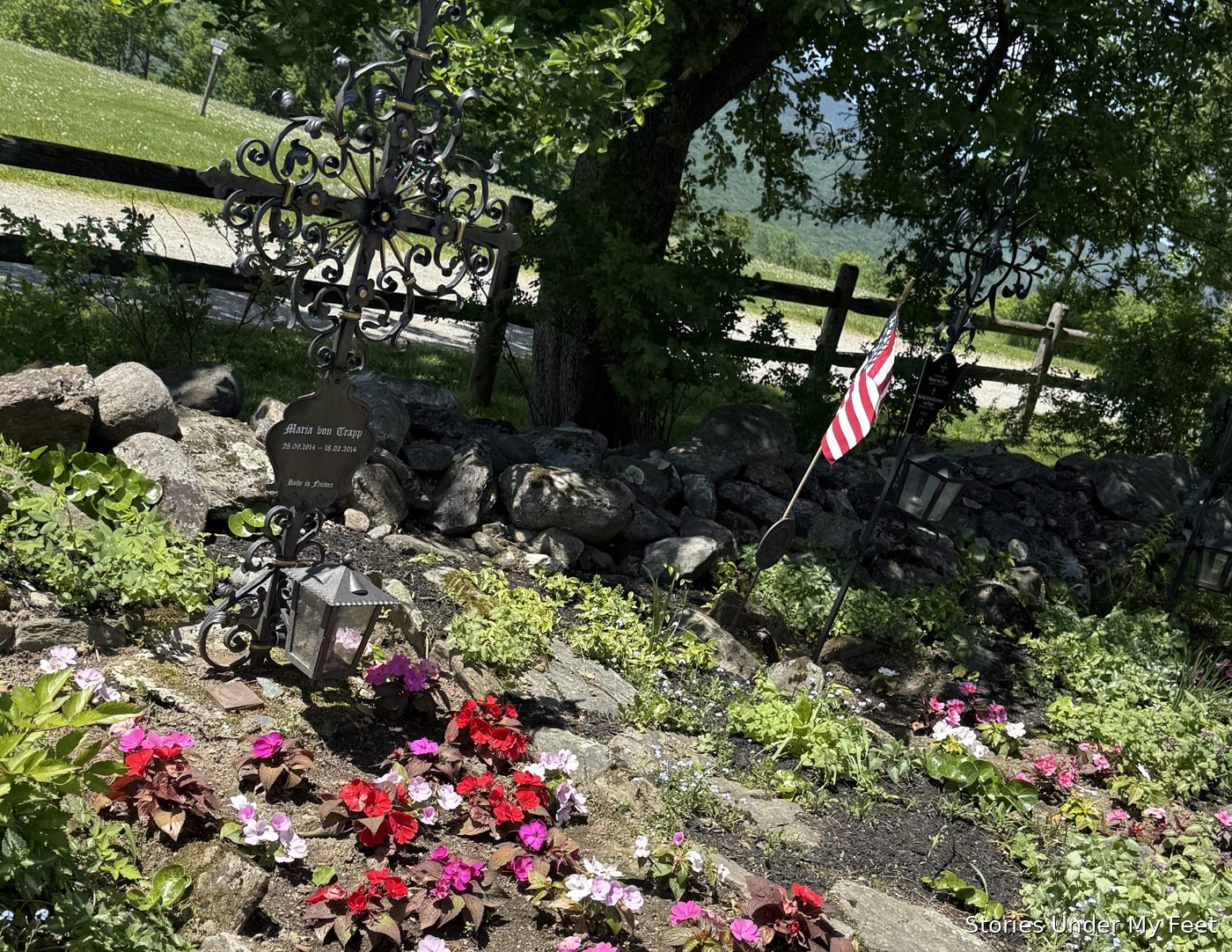
One of my favorite parts was learning about the grounds themselves. One of the von Trapp children had a real eye for design and helped lay out the gardens, and the flower beds and grapevines on the property are still stunning today because of it.
As for the property's history: the family fled Austria in 1938, shortly after the Nazi annexation, and settled on a farm here in Stowe in 1942. They built a home called "Cor Unum" ("One Heart" in Latin), and by 1950 had converted it into a 27-room ski lodge to house the steady stream of visitors who wanted to meet the famous singing family. An expansion in 1968 added 20 more rooms. Tragically, a fire destroyed the entire original lodge on December 20, 1980. The family rebuilt in an Austrian alpine style and reopened in 1983 with 73 rooms. Today the resort has grown to 96 rooms and suites in the main lodge alone, plus around 100 guesthouse chalets and roughly 18 villas, spread across 2,600 acres — closer to the "half a mountain" scale I'd imagined than a single hotel building.
Despite that scale, the lodge itself is a working farm and resort in one: horseback riding, cross-country ski trails, a working farm, and — since 2010 — its own brewery, von Trapp Brewing. I actually found the brewery by accident, taking a wrong turn out of the lodge and having to U-turn back once I realized how far downhill I'd gone.
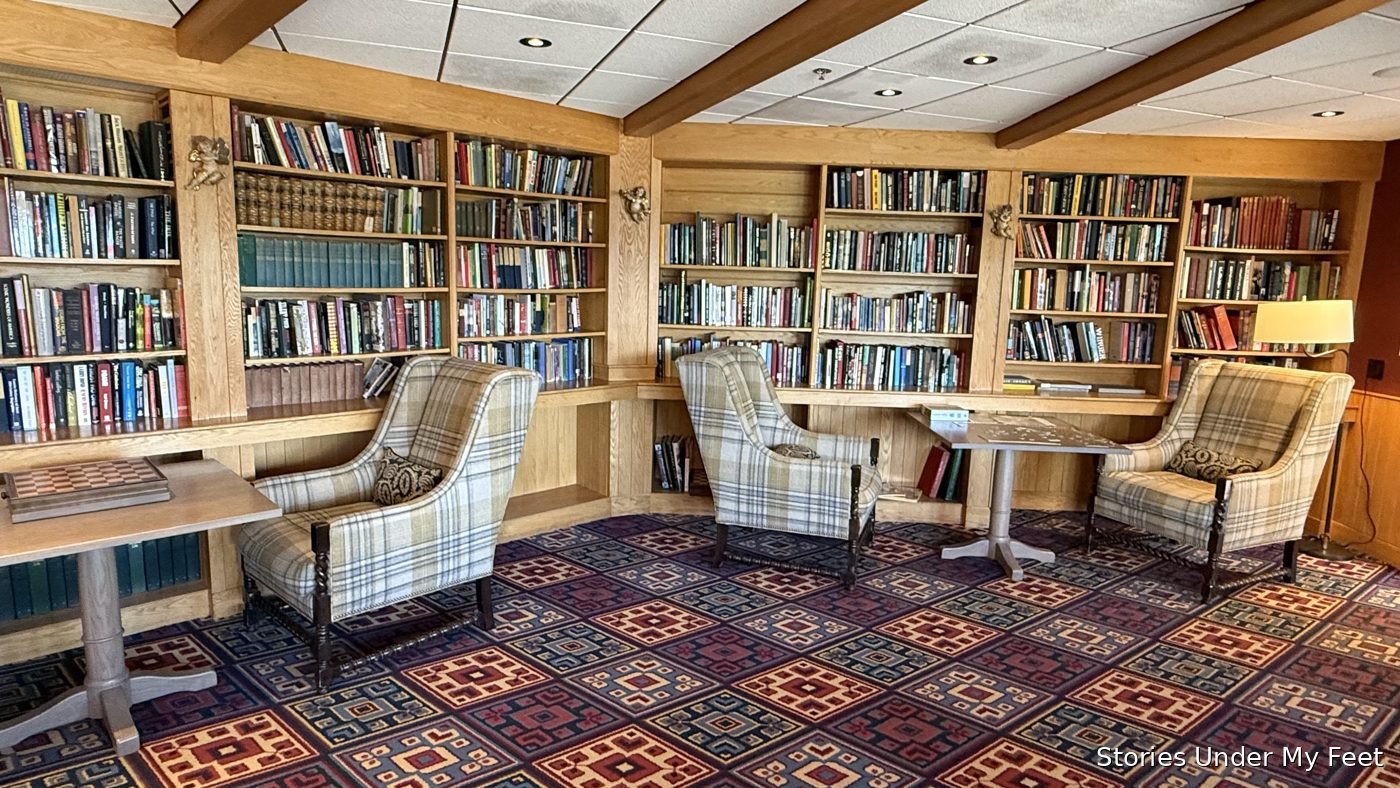
Inside, though, everything still feels surprisingly intimate for a place this size. The main lounge in particular had that real "family living room" feeling — bookshelves, soft old sofas, sunlight pouring in, everything built from warm wood. Honestly, I could've spent the whole day just sitting in there reading.
Photos
Books & media
- The Sound of Music
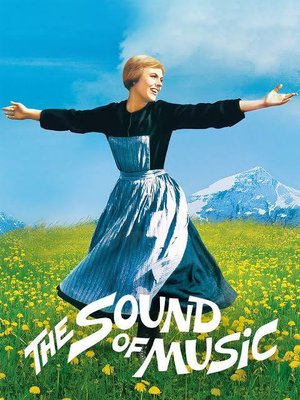 The Sound of Music — dir. Robert Wise (1965) · Buy on Amazon
As an Amazon Associate, I earn from qualifying purchases.