Washington, D.C.
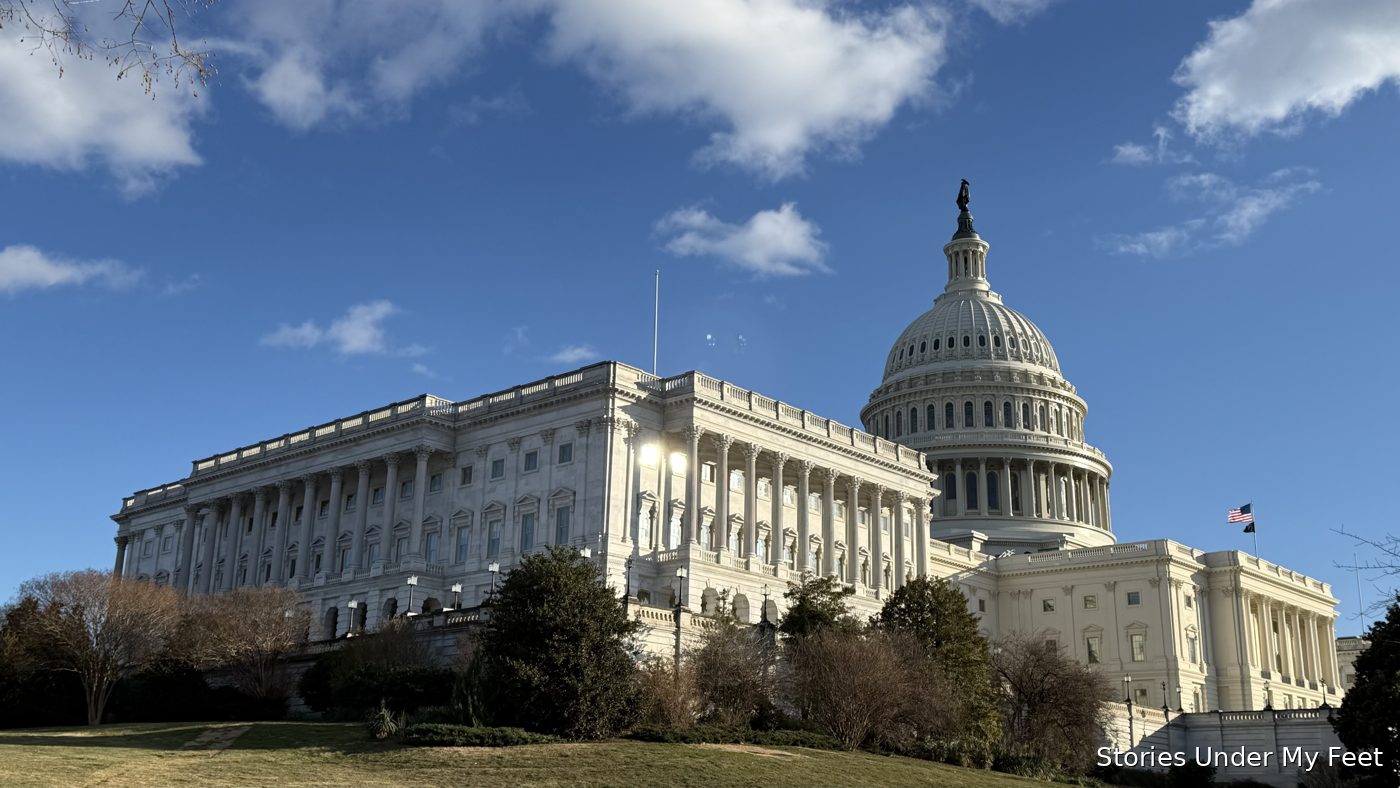
Before this trip I thought the Smithsonian was a single museum. It isn't — it's on a completely different scale, an institution that effectively turns Washington into one enormous, city-sized museum. It even hands out its own passport booklet, which I loved: collecting a stamp at each building is a small, satisfying way to learn a little more as you go, the same way I've been filling my national park passport across the rest of these trips.
Before you go — what I learned
DC is bigger than I'd pictured. Buses and the short-term rental bikes were the best way to move around; there are police everywhere, plus traffic control and tour-bus congestion, and you should be ready to walk for hours and stand in line for a good part of them. It takes patience and energy.
Pick one or two must-see museums per day. Each one is genuinely huge — you could spend a full day, or two, inside a single building — so trying to "do" several in an afternoon just means seeing all of them badly. On my first day I joined a guided tour to get the whole picture and cover the more far-flung spots quickly, and I'd recommend starting that way. Washington only became the capital in the first place by political compromise — the seat of government moved here in 1790 — and the city is still built to be walked and argued over.
So, here's how I'd spend it.
My recommendations
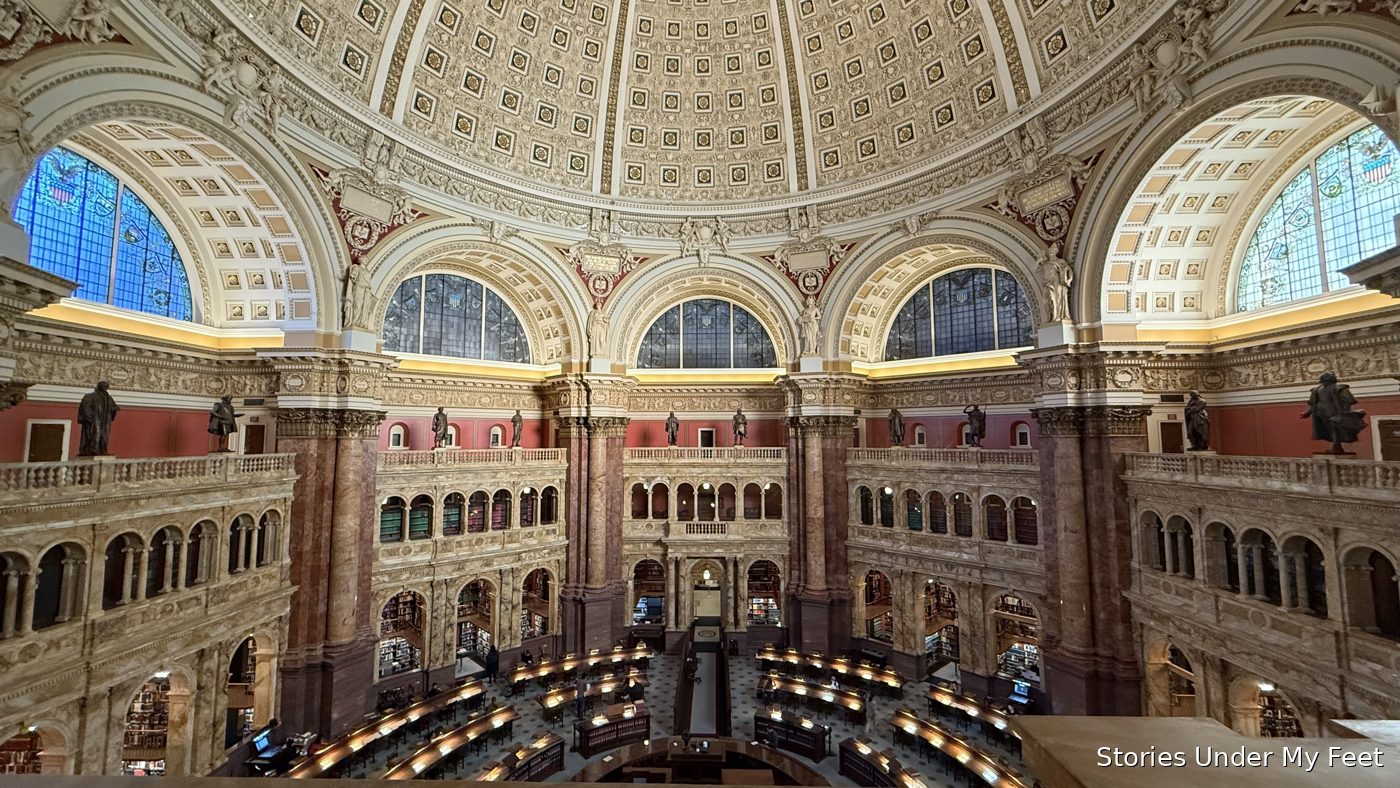
Library of Congress — Get a Reader Card and sit in the Main Reading Room. Don't skip the Great Hall or the Gutenberg Bible, one of the oldest and most valuable books in the world. (Timed ticket — reserve ahead.)
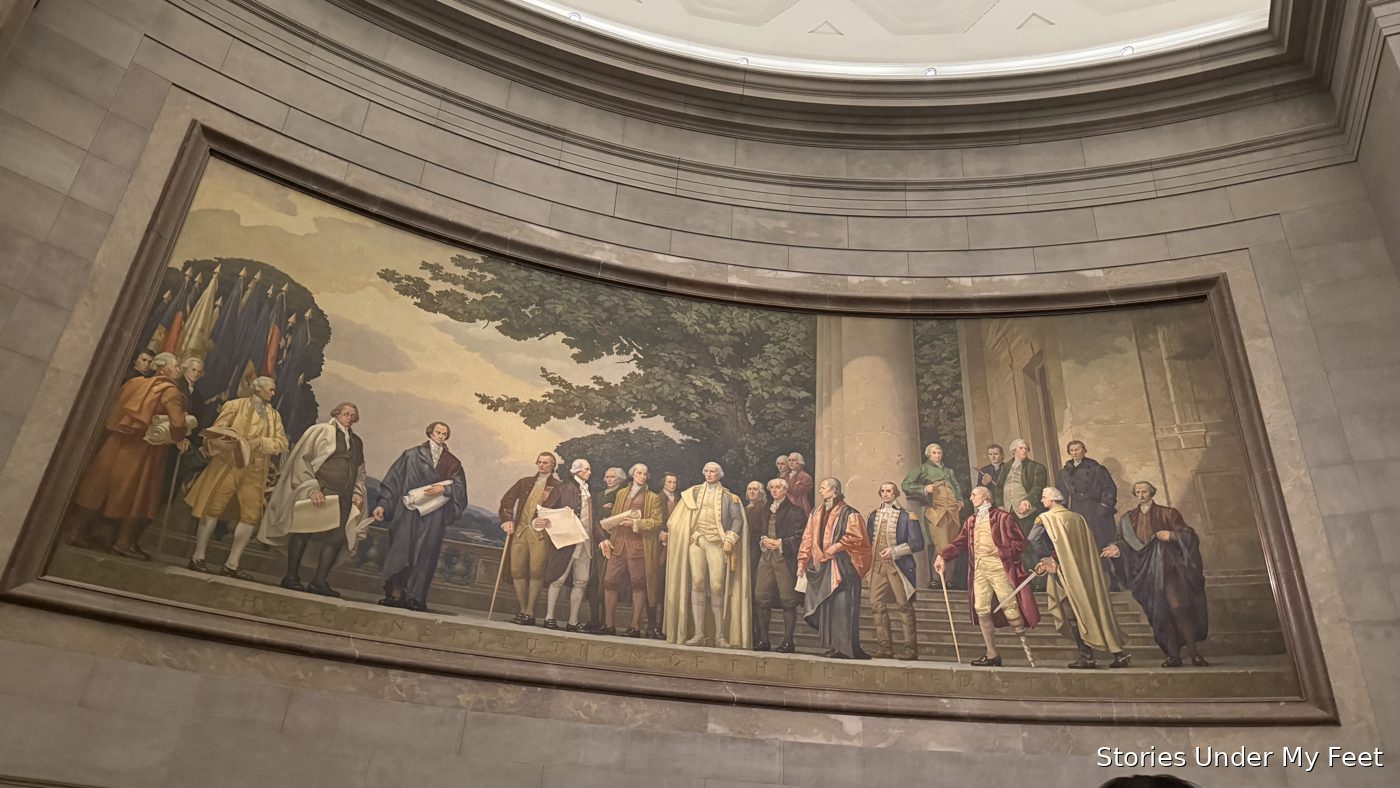
National Archives — Stand in front of the actual founding documents: the Declaration of Independence, the Constitution, and the Bill of Rights. The whole arc of the country's origin, in three cases of fading ink.
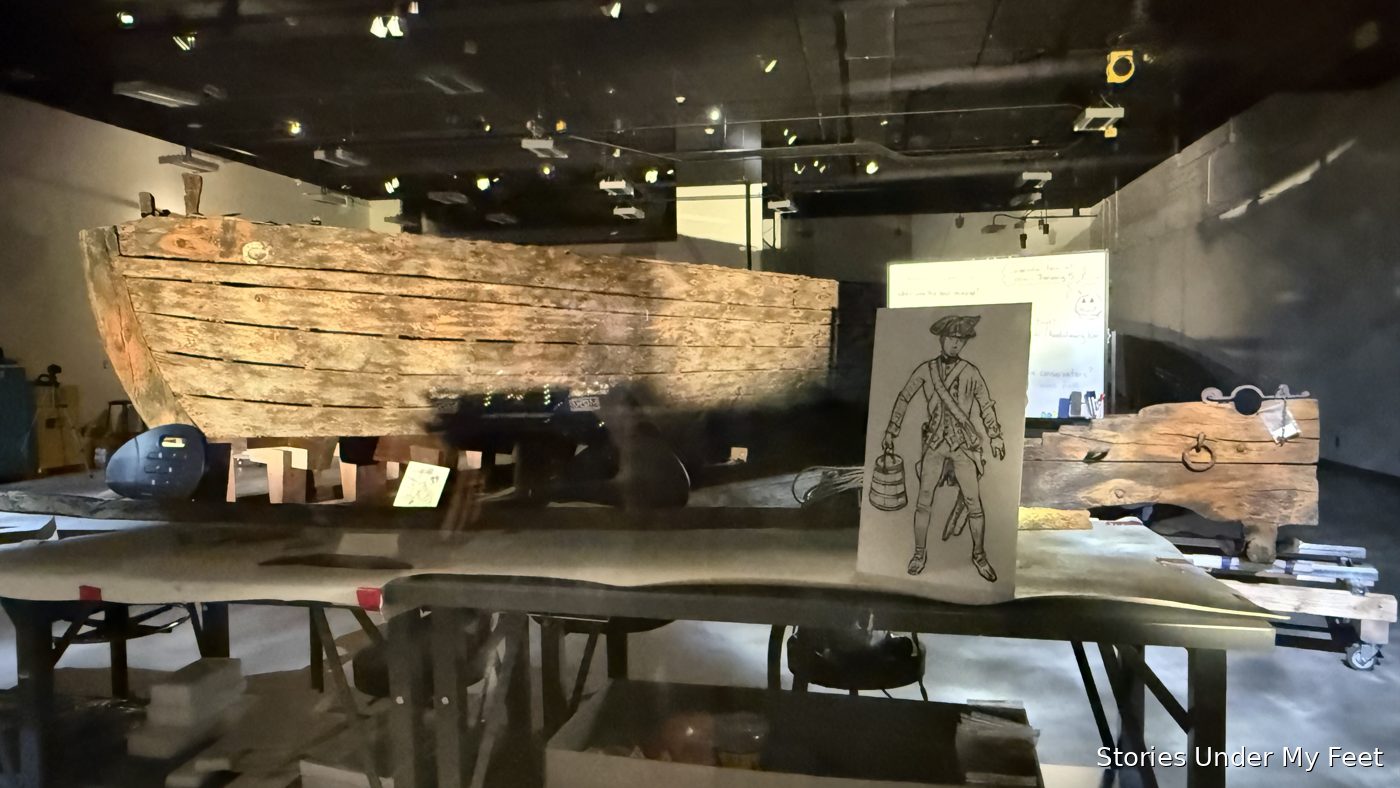
National Museum of American History — Take the guided tour. It's the best way to appreciate the scale and depth of the collection instead of getting lost in it.
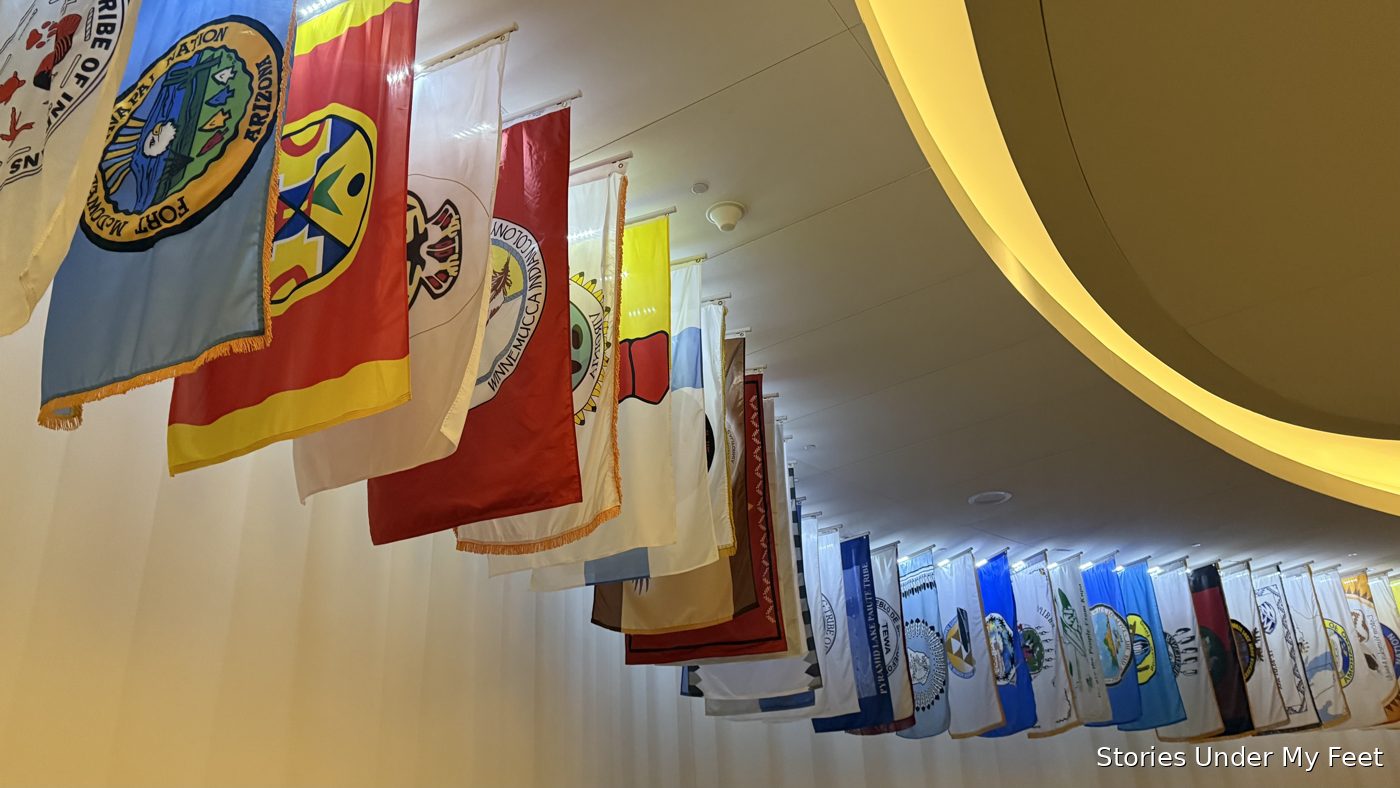
National Museum of the American Indian — I traced the history of Indian Removal here — the Indian Removal Act and the Trail of Tears — and where the "1/16 blood rule" came from: a racial classification system later echoed in how Japanese Americans were treated in 1943.
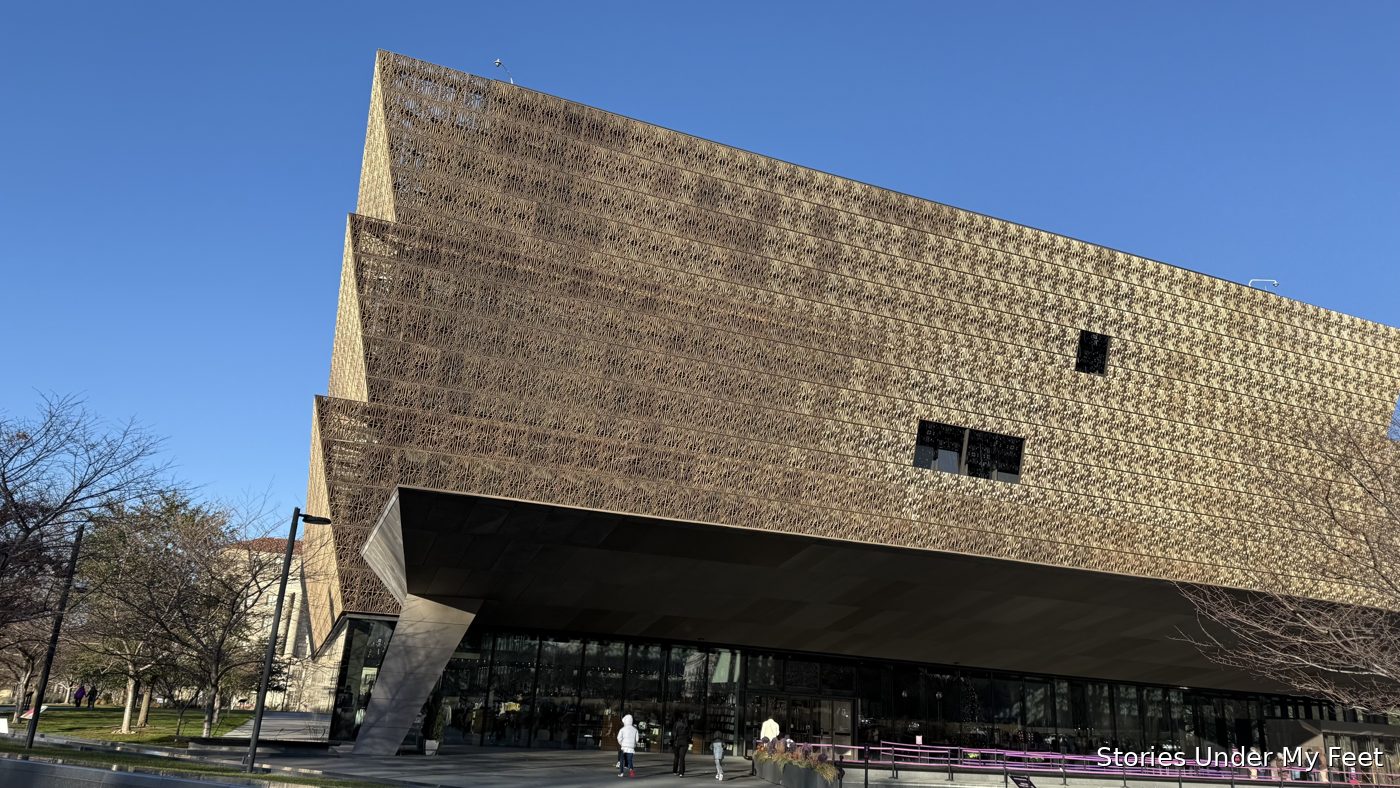
National Museum of African American History and Culture — Start at the bottom floor and work up: from the slave trade, through the Civil War and emancipation, to the nonviolent movement and Black culture today. The architecture of that climb is the message. (Timed ticket.)
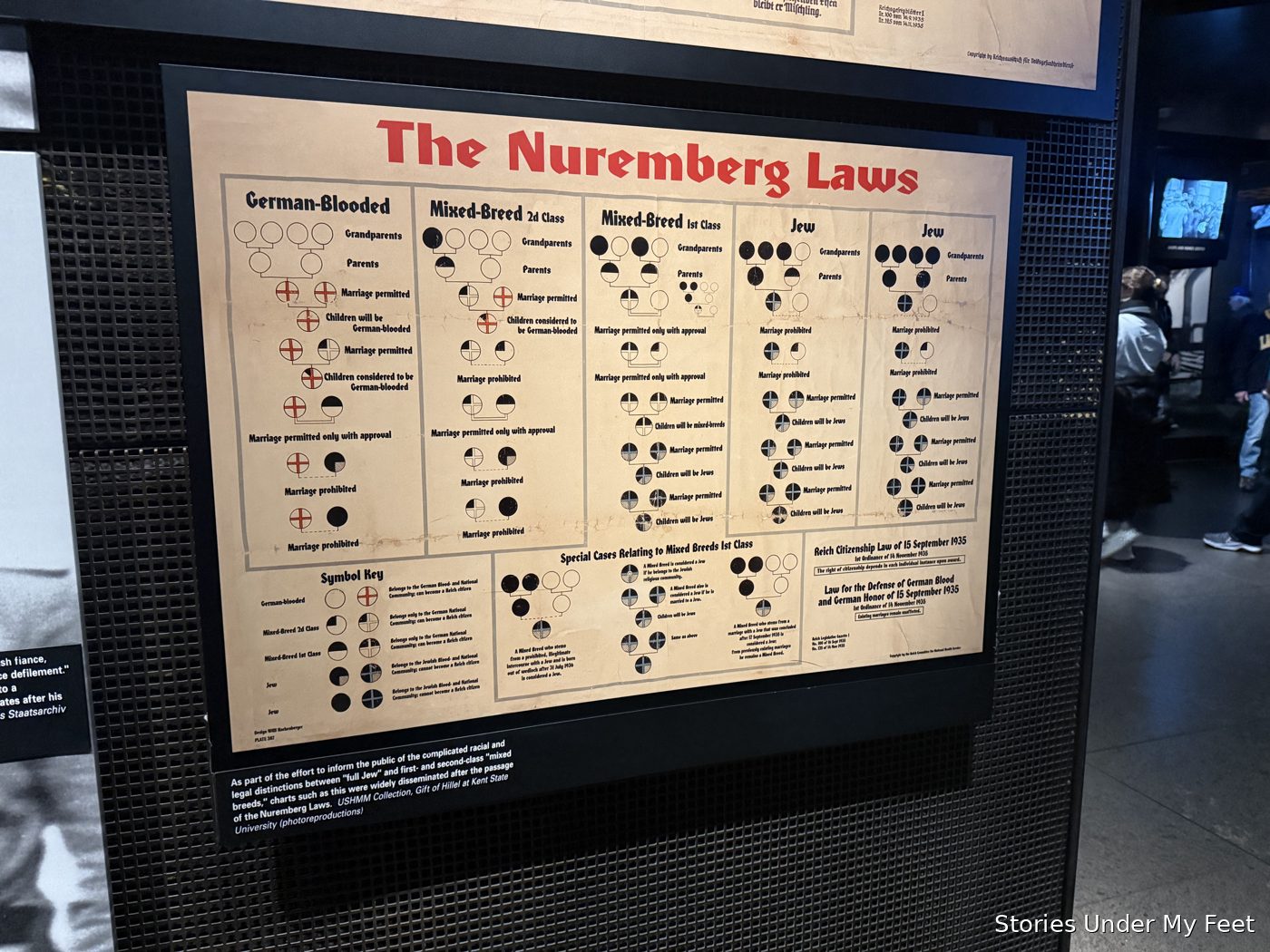
US Holocaust Memorial Museum — Follow the path that led to the "Final Solution" in Europe. Set the Nazi racial definitions beside the ones applied to Native Americans and Black Americans, and take the time to read one personal story all the way through. It stays with you. (Timed ticket.)
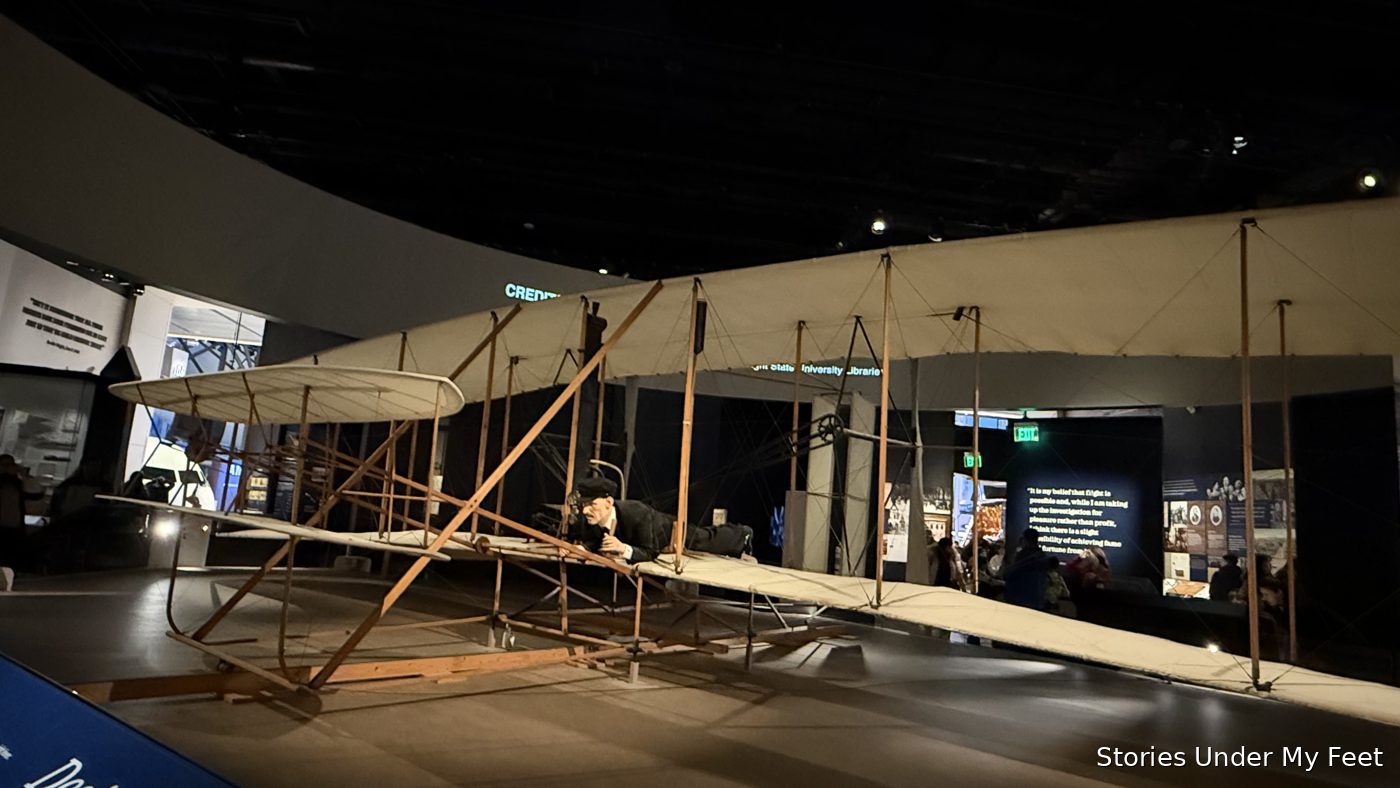
National Air and Space Museum — Proof of how insanely fast one century moved: bicycles to electricity, the first powered flight to the Moon to the Space Shuttle. Don't miss the Wright brothers' original 1903 Flyer — the real one. (Timed ticket, and hard to get.)
Everywhere else I went
Monuments & memorials. The Lincoln Memorial — the steps where Dr. King gave the "I Have a Dream" speech in 1963 — plus the war memorials (Korean War, Vietnam Veterans, and World War II) and the two great "hero" memorials, to Martin Luther King Jr. and Franklin D. Roosevelt. I crossed the river to Arlington National Cemetery and the Iwo Jima Memorial, and saw the Washington Monument from the outside.
Government & landmarks. The White House (visitor center and exterior) with the National Christmas Tree glowing on the Ellipse; the US Capitol; the Ford's Theatre, where Lincoln was assassinated; and Union Station.
Museums, beyond the seven. The National Museum of Asian Art, the National Museum of African Art, the National Museum of Natural History, the National Postal Museum, and the National Gallery of Art (its modern wing included). I also passed the Smithsonian Castle — the original 1855 building — from the outside.
Neighborhoods & green corners. The US Botanic Garden at the foot of the Capitol, The Wharf on the Southwest waterfront, and Eastern Market on Capitol Hill.
My take
Give DC more days than you think it needs, and fewer museums per day than you want to. The Smithsonian's genius is that it's free and endless, which is exactly the trap — the temptation is to rush. The trips that stayed with me were the slow ones: one floor of one museum, one personal story read to the end, one stamp in the passport. (The coffee that kept me upright between all of it got its own page.)